Sides Block Puzzle Platformer
Review
Sides offers a refreshing take on the platformer puzzle genre with its minimalist design and satisfying block-guiding mechanics. The puzzles are clever without being frustrating, and the lack of time pressure makes it a relaxing experience. The increasing difficulty keeps things interesting, and the family-friendly nature means anyone can enjoy it. A great choice for casual gamers or puzzle enthusiasts.
About This Game
Game Introduction
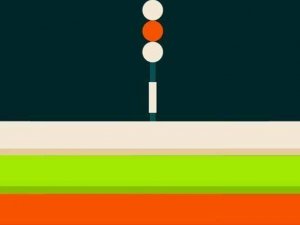
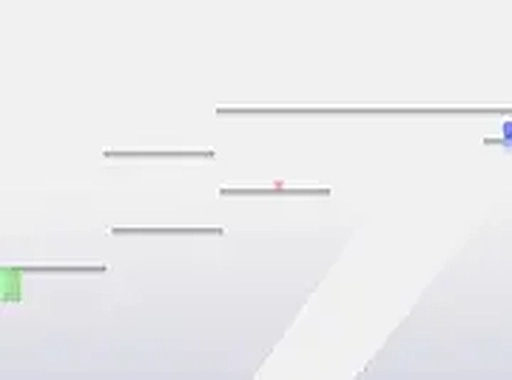
Sides is an arcade platformer puzzle game that challenges players to guide a block to a green zone in each level. The game combines classic platforming mechanics with puzzle-solving elements, requiring careful planning and quick reflexes. Its clean design and straightforward objective make it accessible to players of all ages, offering a relaxing yet engaging experience without complicated rules or violent content. Each level presents a new puzzle, so thinking ahead and planning moves carefully is key to success. The game is designed for desktop use, and players may also use a mouse or play in full-screen mode for a more immersive experience.
How to Play
Players control a block using keyboard inputs, typically arrow keys or WASD, to move left, right, up, and down. The goal is to navigate through each level, avoiding obstacles and finding the optimal path to the green zone. Each level presents a new puzzle, so thinking ahead and planning moves carefully is key to success. The game is designed for desktop use, and players may also use a mouse or play in full-screen mode for a more immersive experience.
Game Features
Sides features simple one-button controls that are easy to learn, family-friendly puzzles suitable for all ages, and endless replay value with increasingly tricky levels. The game offers a clean, minimalist design that focuses on core gameplay, and it can be played in short sessions or longer stretches, making it ideal for quick breaks or extended play.
Tips for Success
To succeed in Sides, take your time to observe each level before making moves. Plan your path to the green zone carefully, as obstacles may require precise timing or alternate routes. Practice regularly to improve your reflexes and problem-solving skills. If you get stuck, try a different approach or take a short break to refresh your perspective. Remember that patience and careful planning are often more important than speed.